
Water, Sanitation & Hygiene Improvement
Together for Adukro. Together with “Summits for Ghana”.
At the beginning of July, Sven Rüggeberg, Michael Peyinghaus and Jens Stubbe will take on an extraordinary challenge for the third time. Over the course of just six days, they will cycle across eight Alpine passes in Switzerland, covering 630 kilometres and almost 13,000 metres of elevation gain.
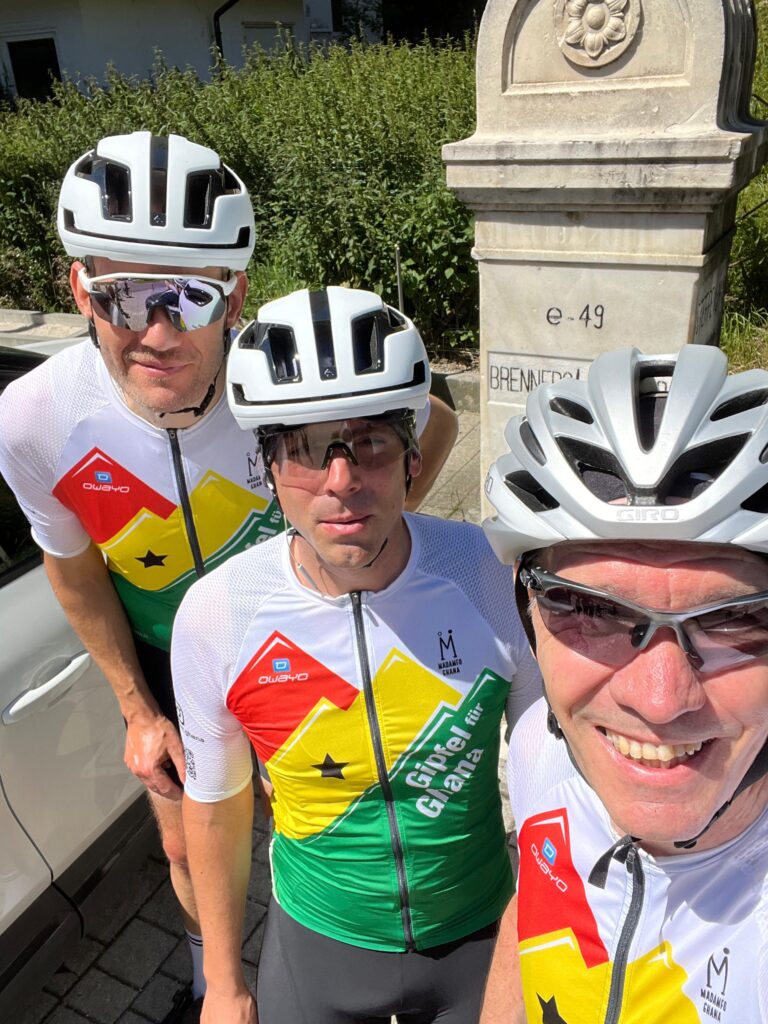
Through their fundraising campaign “Gipfel für Ghana (Summits for Ghana)”, they aim to finance a comprehensive WaSH project at Adukro M/A Primary School, providing hundreds of children with access to clean drinking water, safe sanitation facilities and improved hygiene conditions.
Every donation brings them one step closer to their goal and helps create a healthier, safer and more supportive learning environment for the children of Adukro.
Project Overview
Adukro is a rural community in the Ashanti Region with approximately 3,000 inhabitants. Most families rely on small-scale farming and local trade as their primary sources of income.
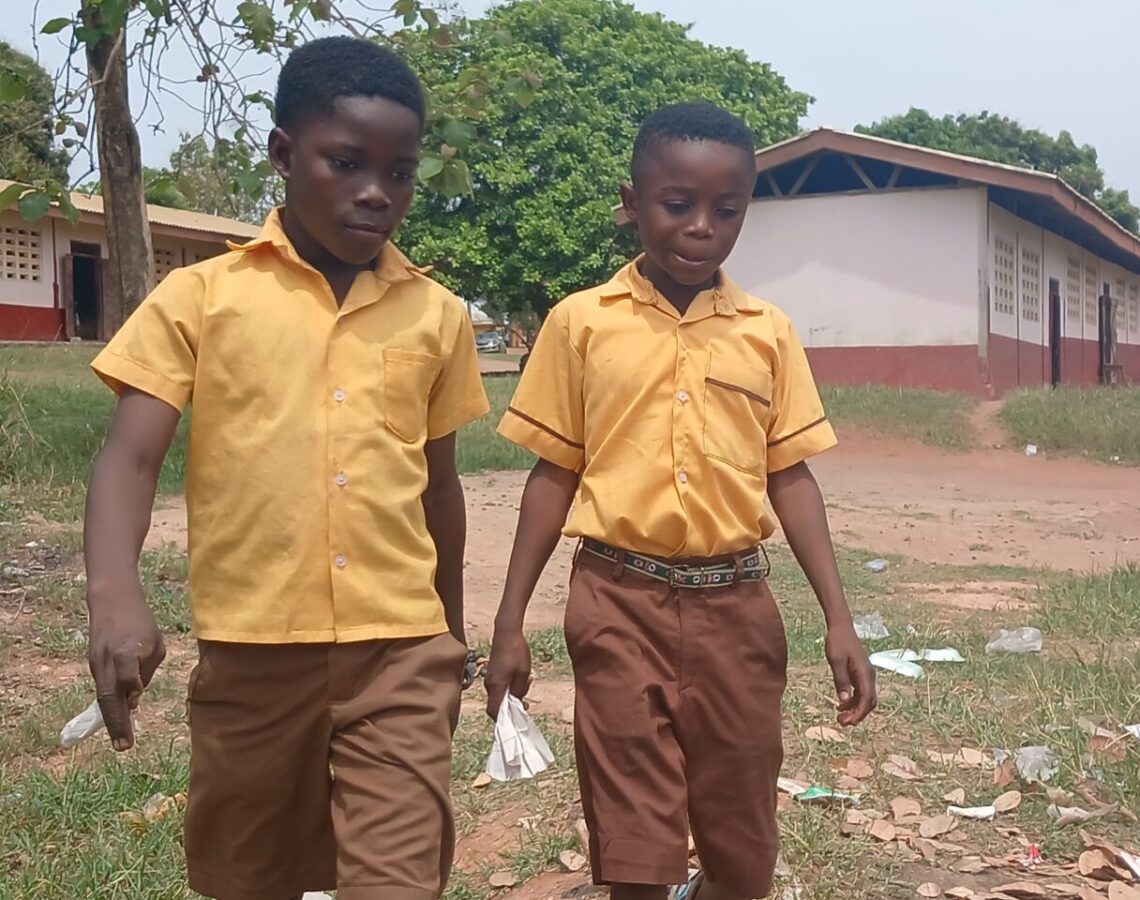
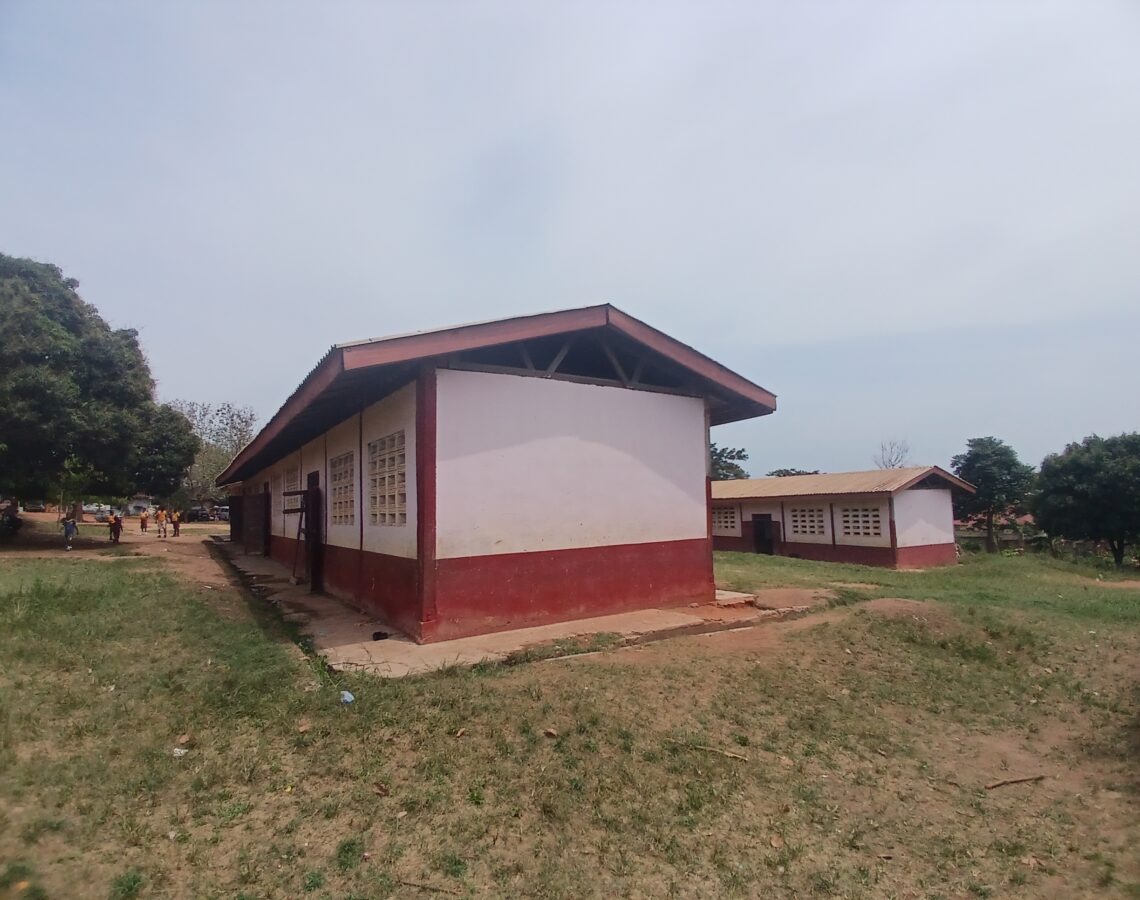
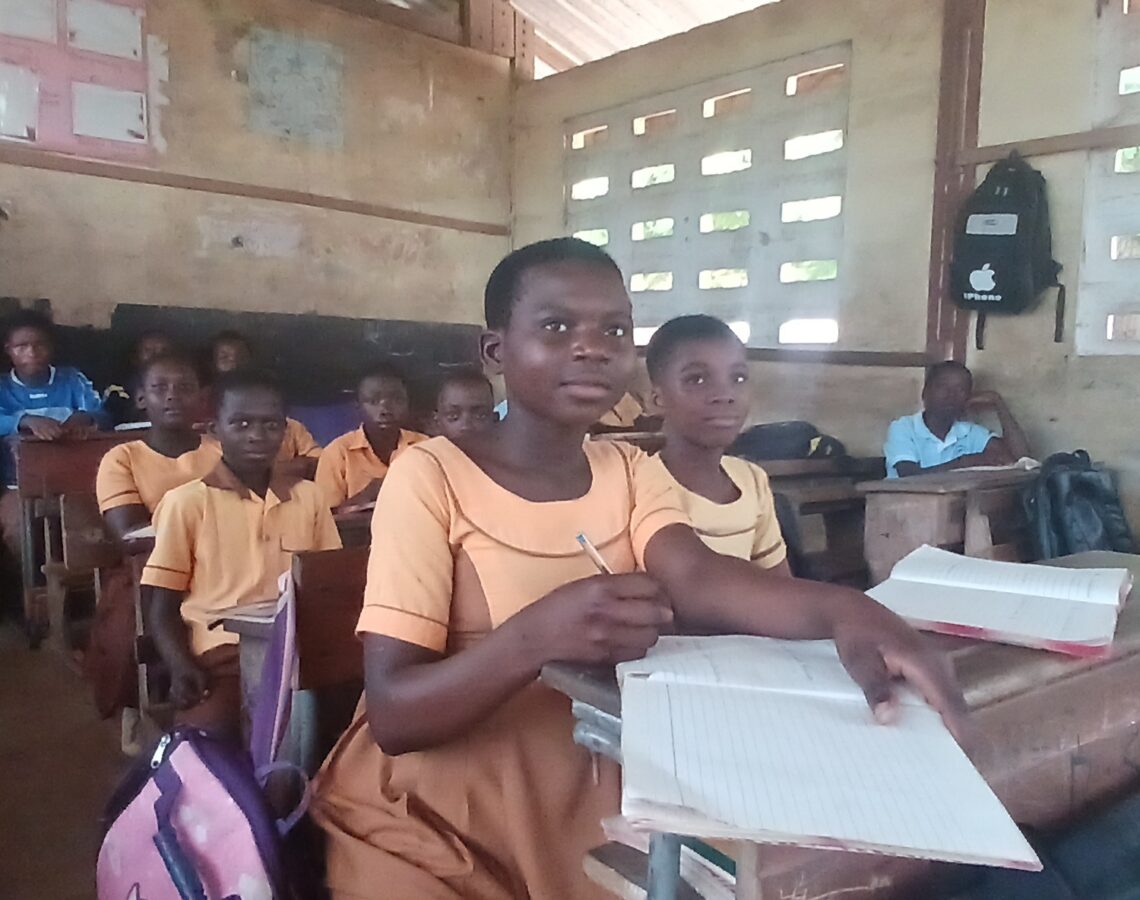
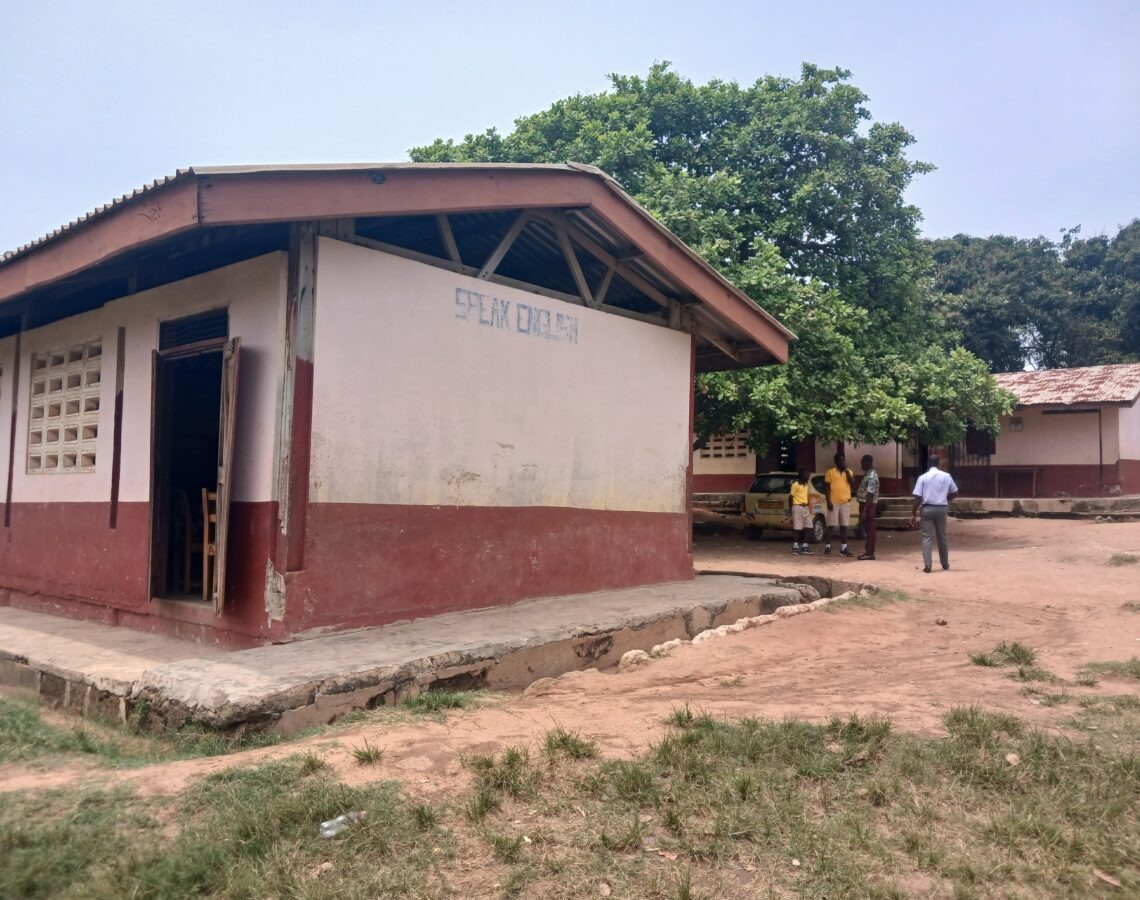
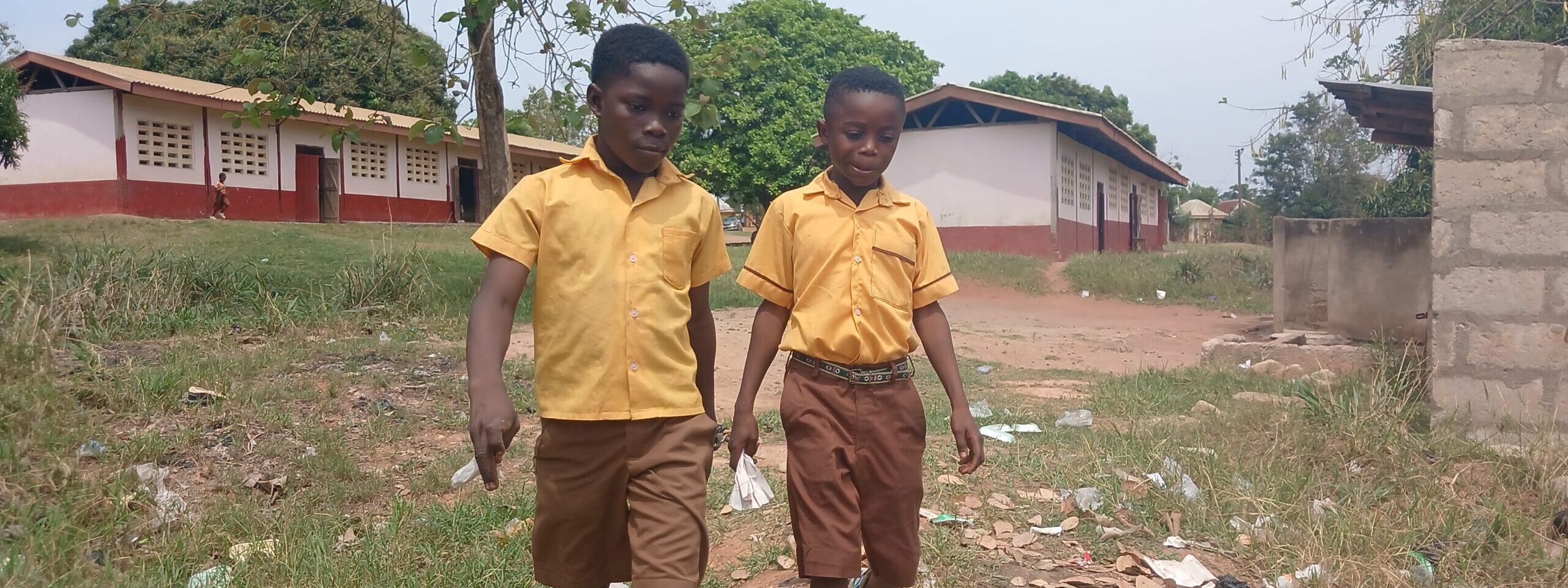
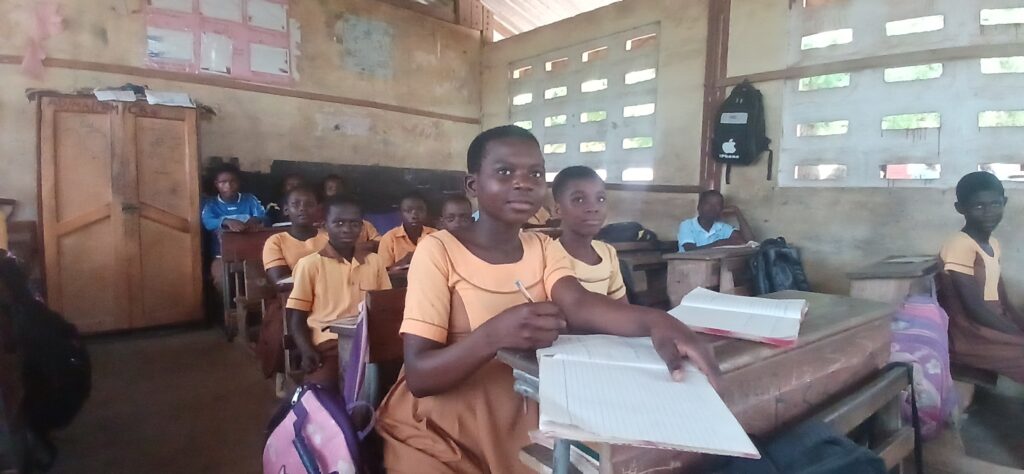
The local primary school serves 459 children from two surrounding communities and plays a vital role in providing access to education. Despite its importance, the school lacked basic WaSH facilities (Water, Sanitation and Hygiene), creating significant challenges for both students and teachers.
In particular, the absence of a reliable water source on the school grounds placed a considerable burden on daily school life and negatively affected the health, safety, and learning conditions of the children.
The Challenge
The situation at the school is critical:
- No access to clean drinking water on the school premises
- No toilet facilities available for students and staff
- Open defecation in areas surrounding the school
- Long walks of up to 4 km to fetch water during school hours
- Increased risks from road traffic and encounters with animals
- Poor hygiene conditions
- Elevated risk of waterborne diseases
These conditions have a direct negative impact on the children’s health, safety, attendance, and academic performance.
Project Implementation
The WaSH Project was designed to provide a comprehensive improvement of water, sanitation, and hygiene conditions at the school.
By combining infrastructure development with education and awareness measures, the project creates a sustainable solution that benefits both the school and the wider community.
The project focuses on ensuring that children have access to safe drinking water, adequate sanitation facilities, and improved hygiene practices, enabling them to learn in a healthier and more secure environment.
Project Goals
Specific Objectives
- Provide sustainable access to clean drinking water directly at the school
- Eliminate open defecation through the construction of appropriate school sanitation facilities
- Significantly reduce waterborne diseases, particularly among children
- Improve hygiene, health, and overall well-being within the community
- Increase school attendance and improve concentration and learning outcomes
Sustainability & Monitoring
The long-term success of the project is ensured through local ownership, community participation, and continuous monitoring.
Key sustainability measures include:
- Establishment of a School and WaSH Committee
- Training of responsible persons for operation and maintenance
- Creation of a maintenance fund for future repairs
- Active involvement of the community in the use and upkeep of facilities
- Regular project monitoring and documentation
- Ongoing assessment of facility use and functionality
- Final evaluation to measure project impact and outcomes
Impact & Expected Outcome
The WaSH Project in Adukro lays the foundation for a safe, healthy, and supportive learning environment.
Access to clean water, functional sanitation facilities, and improved hygiene practices will significantly enhance daily school life and contribute to better health and educational outcomes for students.
By linking health, education, and child protection, the project represents an important investment in the long-term development and future opportunities of the entire community.
Your donation does more than support a cycling challenge. It helps provide children in Adukro with clean water, safe sanitation facilities and the opportunity to learn in a healthy and secure environment. Every contribution brings us one step closer to making this project a reality.
Project Cost: approximately €14,500
Funded through the “Gipfel für Ghana” fundraising campaign