News

A Story That Deeply Moved Us

May 2026

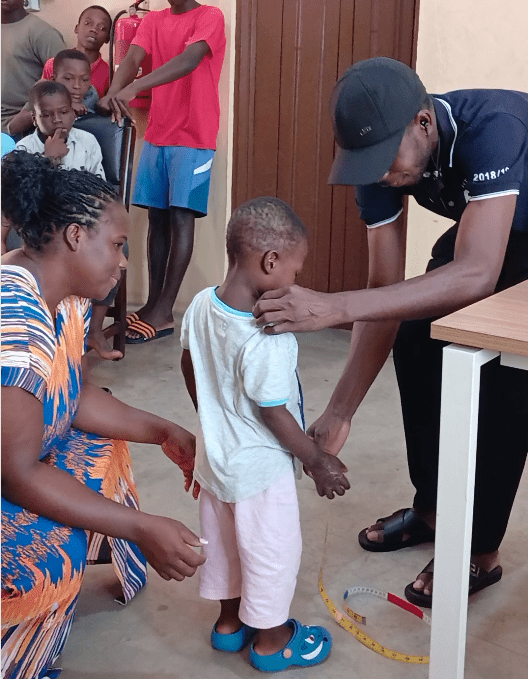
A few days ago, the police brought a little boy to our children’s home. He had been found alone on the street and was apparently abandoned. He is about one year old and has now been given the name Divine by the responsible social worker.

When Divine arrived, he was frightened and exhausted. He did not understand what was happening to him. Moments like these do not leave our team untouched either. No child should ever have to experience something like this.

Sadly, stories like Divine’s are not uncommon in Ghana. Time and again, children are abandoned, neglected, or find themselves in acute emergency situations. Poverty, overwhelmed families, and the lack of social support systems mean that many children grow up without a safe place where they can be protected and cared for. For our children’s home, these situations have unfortunately become part of daily life.

Of course, we immediately took Divine in and cared for him. He received food, clean clothes, medical care, and above all, love and comfort. Especially young children need warmth, attention, and the feeling that they are not alone during such difficult moments. Slowly, Divine is beginning to calm down, feel safe, and build trust again.

In order for us to help children like Divine at any time, regular donations to our children’s home are incredibly important. They allow us to act quickly when a child urgently needs protection. They provide food, medical care, clothing, a safe home, and people who care with love and compassion.

Every child who comes to us carries their own story. And every single child deserves the chance for a better future.

From the bottom of our hearts, thank you to everyone who supports this work and gives children like Divine hope, safety, and a place to belong.

A Field Full of Hope

May 2026

Many people think first of beds, clothing, or school supplies when they hear about a children’s home. But a large part of our daily work revolves around something much more basic: making sure there is enough food for every child, every single day.

That is why we grow maize directly on the grounds of our children’s home. For many of the children, it is an important part of their daily meals. The harvest helps us reduce costs and become less dependent on food donations.


Since maize is harvested only once a year, the processing afterwards is especially important. In the picture, the maize is being sifted and prepared for storage. To keep it usable for many months, it has to be carefully checked and processed again and again. There is an incredible amount of work behind every single bag of maize.

Moments like these show that our work is not only about providing short-term help. It is about creating more stability, security, and independence for the children step by step. Every successful harvest means a little less worry about how the next meals will be provided.

Thank you to everyone who supports our children’s home and makes sustainable developments like this possible.


Bamboo Builds Future


Bamboo instead of tropical hardwood: We protect Ghana’s forests, create local jobs, and build a sustainable process chain from cultivation to finished products.

Everyday life that brings stability

What does a typical day at the children’s home feel like?

March 2026

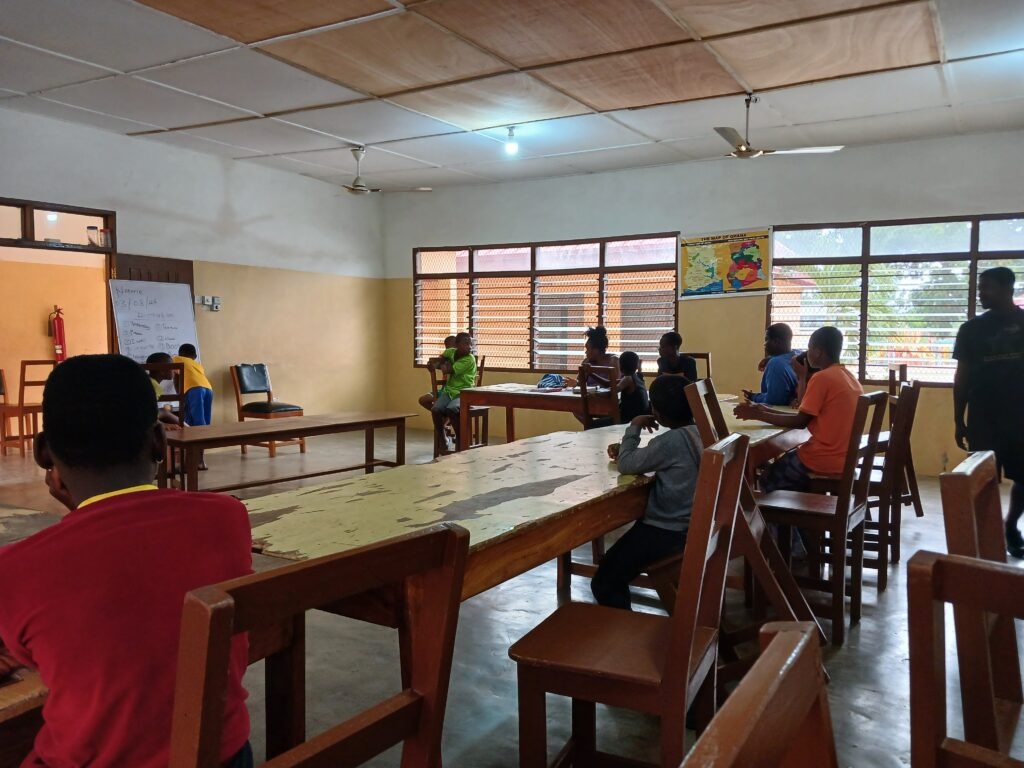
In the morning, the courtyard slowly comes to life. School uniforms are straightened, there is laughter, calling out, and sometimes a bit of lingering. It’s this everyday, slightly lively atmosphere that shows the children truly feel at home here.

A calm and stable everyday life

Overall, February was a calm and stable month. The children are healthy, active, and fully engaged in their daily routines.

There was a brief moment of concern when Akua fell ill at school. She received prompt treatment and has since made a full recovery. Today, she is right back in the middle of things, playing, laughing, and bringing her energy into the group.

The situation remained stable in March as well. A few children needed medical care, for example due to stomach aches or eye infections, but they were treated quickly and are recovering well.

Visible development

It is especially encouraging to see how individual children continue to grow and develop.

Abena, for example, completed her training some time ago. With her own sewing machine, she is now putting her skills into practice, making clothes for other children in the home. You can immediately sense how proud she is to be creating something of her own.

Community in everyday life

After school, the afternoons are dedicated to shared activities.

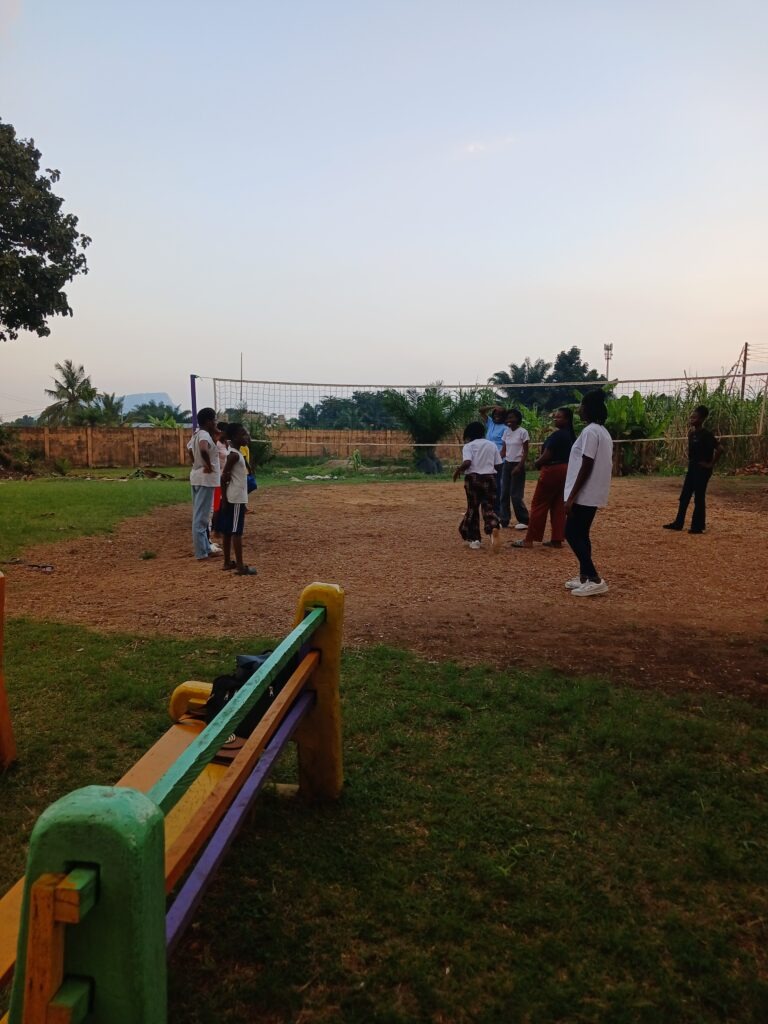
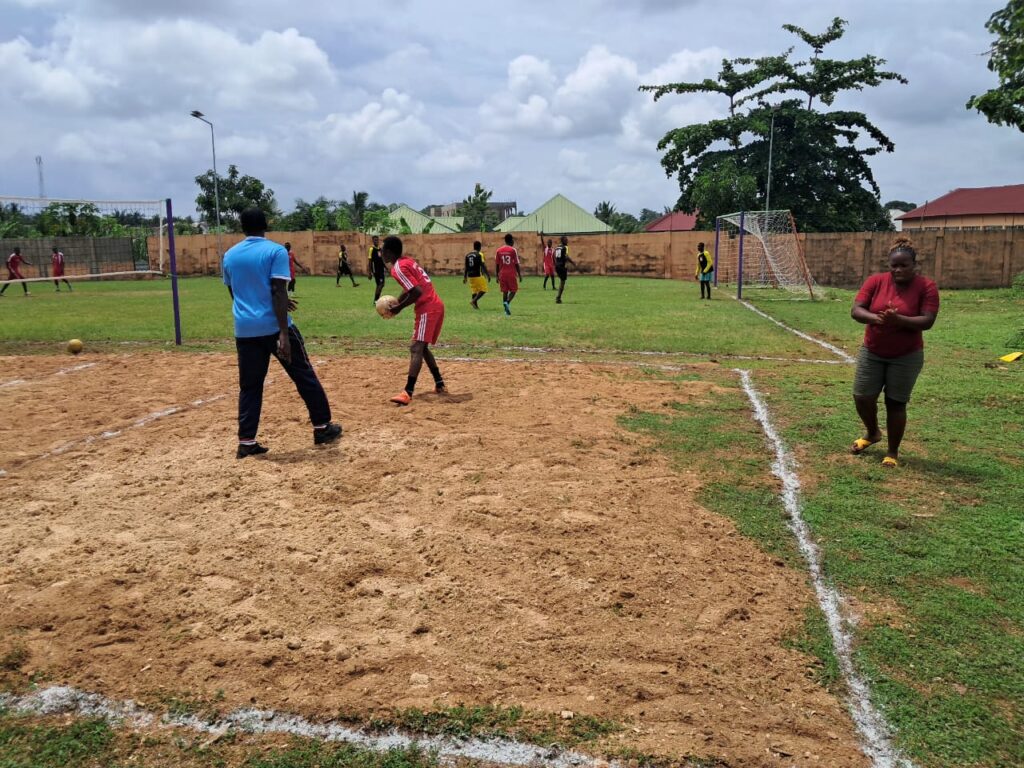
A new volleyball court was recently added and is now used every day. Teams are formed, small competitions take place, and there is plenty of movement and even more togetherness.

At the same time, everyday life itself is becoming a space where the children take on responsibility. They help with tasks, take care of their laundry, and support one another. Regular sports activities complement this, providing structure and balance.

Listening, understanding, building stability

Alongside all of this, there are also the quieter, important conversations.

Our social worker regularly takes time for both the children and the team. It is about listening, offering guidance, and building trust. Especially for children with difficult experiences, this kind of support is a crucial foundation for long-term stability.

This is particularly important for newly admitted children who are still adjusting to their new environment.

New children and individual paths

In February, we welcomed six new children, including three siblings who previously did not have a safe environment.

More children arrived in March, while at the same time others were able to return to their families. One reunification took place after several months in the home, while another happened after a much shorter period.

These developments highlight how important individual solutions and continuous support are.

New admissions often happen at very short notice. When children are removed from difficult or violent situations, we need to act immediately.

For each newly admitted child, immediate costs of around 400 euros arise. This includes basic items such as clothing, a mattress, blanket, pillow, and hygiene supplies, as well as initial medical and psychological care.

Much of this happens in the background and often goes unnoticed, but it is essential to ensure that we can provide help quickly, safely, and with dignity.

Life in the children’s home today

Currently, 21 children live in the home.
21 unique individuals, each with their own story and needs.

Improvements to the environment

There is also a lot happening behind the scenes.

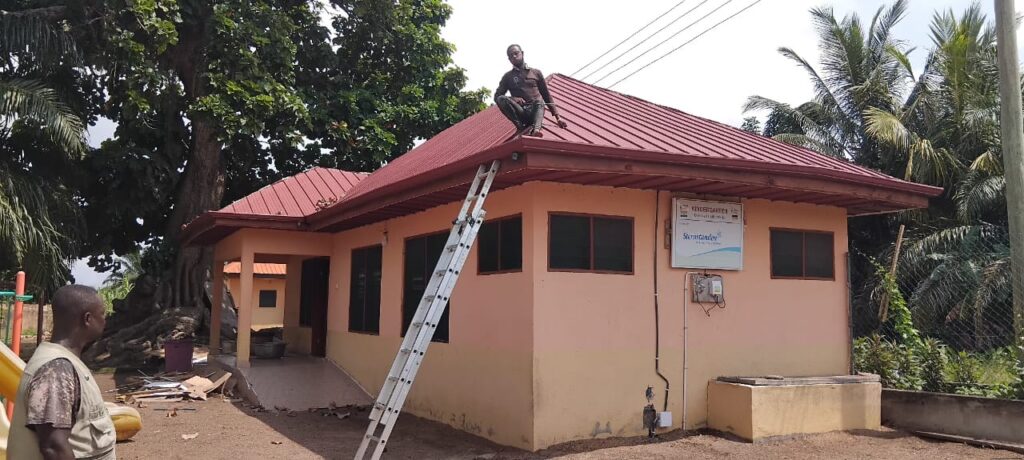
In recent weeks, fences and play areas have been repaired and repainted, and all buildings at the children’s home have received new roofs.

In addition, five new solar-powered lights have been installed. They ensure that key areas remain well lit after dark, improving safety and making everyday routines easier.

At the same time, they are independent of the often unreliable power supply and help reduce energy costs.

Another goal is to gradually make the children’s home plastic-free.

Sustainable initiatives

Smaller projects also contribute to the overall stability of the home.

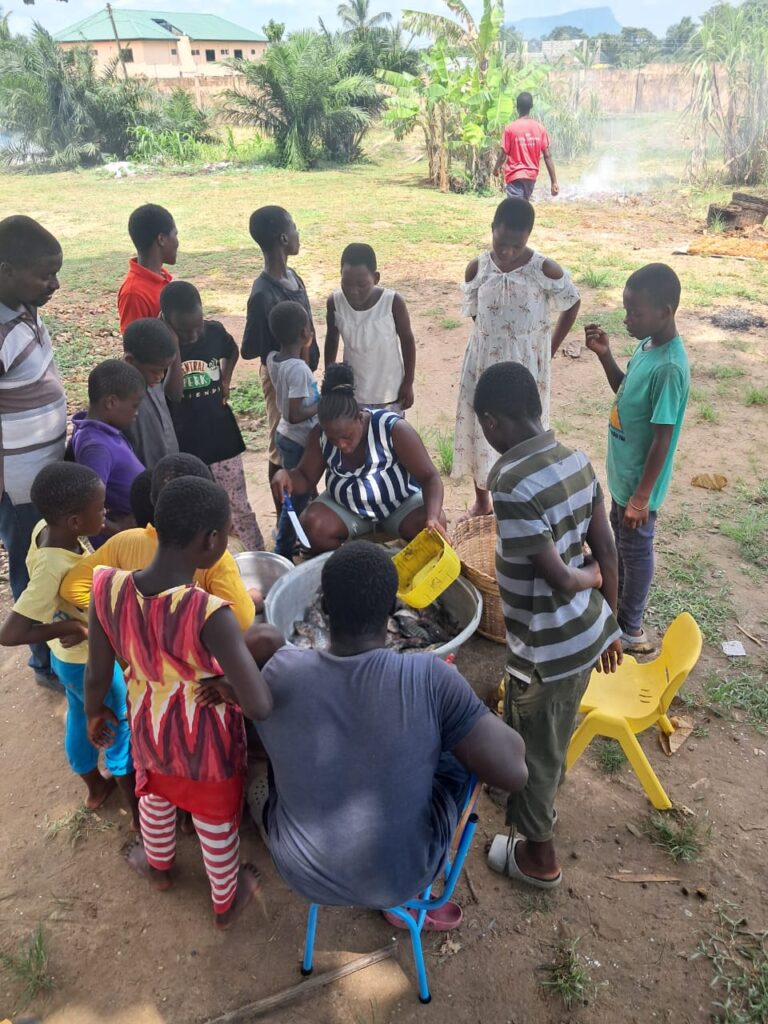
For example, the fish farming project supports the children’s nutrition and provides an additional source of income.

Special moments

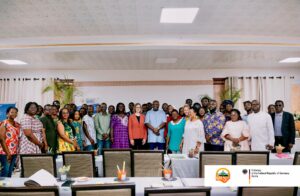
A particularly meaningful moment in February was the visit of supporters on site.

The children prepared a cultural program with music and dance. It was a vibrant expression of what is growing here. Confidence, joy, and a strong sense of community.

Why all of this is possible

All of this is made possible by your support.

You help ensure that children are not only cared for, but also given the opportunity to grow. To attend school, build friendships, and gradually find their own path.

Your ongoing support, in particular, enables us to act immediately when it matters most.

Thank you

Thank you for being part of this journey and for helping give these children real prospects for the future.


Info Sheet July – December 2025

Learn more about our projects in the second half of 2025.

Digital and Practice-Oriented Education for Ghana’s Future

New at Madamfo Ghana: We are launching a new educational project with a hybrid learning center that combines digital learning opportunities with personal support on site.

Bamboo instead of wood

Bettina Landgrafe from Hagen is committed to promoting the use of bamboo in Ghana. Her organisation Madamfo has been carrying out reforestation projects in West Africa for some time. Now the aim is to use bamboo instead of wood. It is available locally and grows extremely quickly.

It is currently being used, for example, to make furniture for the schools built by Madamfo. Now donations are needed for machines that can be used to process bamboo into table tops or seats, for example. The project has enormous potential for the whole of Africa, says Bettina Landgrafe.

Download brochure

We’re kicking off our new project “Bamboo Builds Future.”

We are proud to start an exciting and forward-thinking project: step by step, we aim to replace wooden furniture and building structures with bamboo – an environmentally friendly, durable, and locally available resource. This will create better learning environments, protect the precious resource of wood, promote environmental sustainability, and support local value creation.

Learn more about our latest win-win-win-win project here!